International estate planning lawyer
Organizing the transmission of wealth between France and abroad, anticipating conflicts of jurisdiction, or coordinating an estate that has already opened.
Upfront planning, litigation and coordination with notariesWhen should you consult an international estate planning lawyer?
You are planning a transmission across several countries
Your wealth is spread between France and another country, your children live abroad, and you want to organize your estate before it becomes a headache for your heirs.
- Cross-border gifts and the choice of the right tax moment
- International will and professio juris (choice of the applicable law)
- Anticipating double taxation on the inheritance
- Coordination with your French notary and the foreign notaries involved
A cross-border estate has opened
A relative has died leaving assets in several countries, or you are inheriting in France from someone who died abroad. You are discovering the complexity of the EU Regulation, of bilateral treaties and of reporting obligations in each country.
- Determining the applicable law and the European Certificate of Succession
- Inheritance tax returns in France and abroad
- Coordination with notaries in the jurisdictions involved
- Applying the French tax credit where duties have been paid abroad
You are facing a deadlock or an inheritance dispute
A frozen joint ownership on a cross-border property, a disagreement between heirs spread across several countries, a challenge to a will drawn up abroad, or a re-characterization by the tax authorities.
- Amicable or contentious resolution of the family dispute
- Action for partition and unlocking of cross-border joint ownership
- Defense against a post-death tax re-characterization
- Coordination with the foreign lawyers on the matter
A different situation? A first consultation lets us map out what is at stake.
Organizing the transmission, during your lifetime
A cross-border estate is prepared years ahead, or it is endured.
When wealth crosses borders, each country applies its own rules of transmission, its own duties, its own timelines. Without planning, your heirs inherit an inextricable file and a tax burden that can exceed the value passed on. With planning, the transmission becomes a family project again, not a burden.
We take up your family and wealth situation as a whole: the make-up of the family, the jurisdictions involved, the nature and location of the assets, the mandates already entrusted to your notary or to a foreign tax advisor. Then we read the transmission through the tools available:
- EU Regulation 650/2012 and professio juris
- Applicable bilateral tax treaties
- Staggered gifts, split of ownership, life insurance
- Timelines and taxation specific to each jurisdiction
Where the taxation of each country applies in parallel, we look for the alignment that protects your heirs, not theoretical optimization.
We work in close coordination with your French notary, your foreign notaries and the advisors already in place. Many of our matters reach us on the recommendation of a notary who wants to delegate the international dimension while remaining the family’s main point of contact. We replace no one: we translate the tax stakes into wealth decisions, and we stay present through to the final settlement.
Lalé Kilic, international estate planning lawyer in Lyon
Nearly twenty years of practice in international private wealth taxation, a significant part of it in cross-border estates, in both advisory and litigation work. A first career in major American law firms in Paris, before founding L.L.V. FIDEUROPE AVOCATS in Lyon. 60% of our clients are international, mainly between France, Switzerland and the United States.
- Member of the Lyon Bar, listed in the international lawyers directory
- Regular practice in upfront estate planning and inheritance litigation
- IFORA training for chartered accountants on international matters
- Regular coordination with French and foreign notaries
In person in Lyon, Paris, Annecy or Geneva. Video conferencing in French and in English.
Full background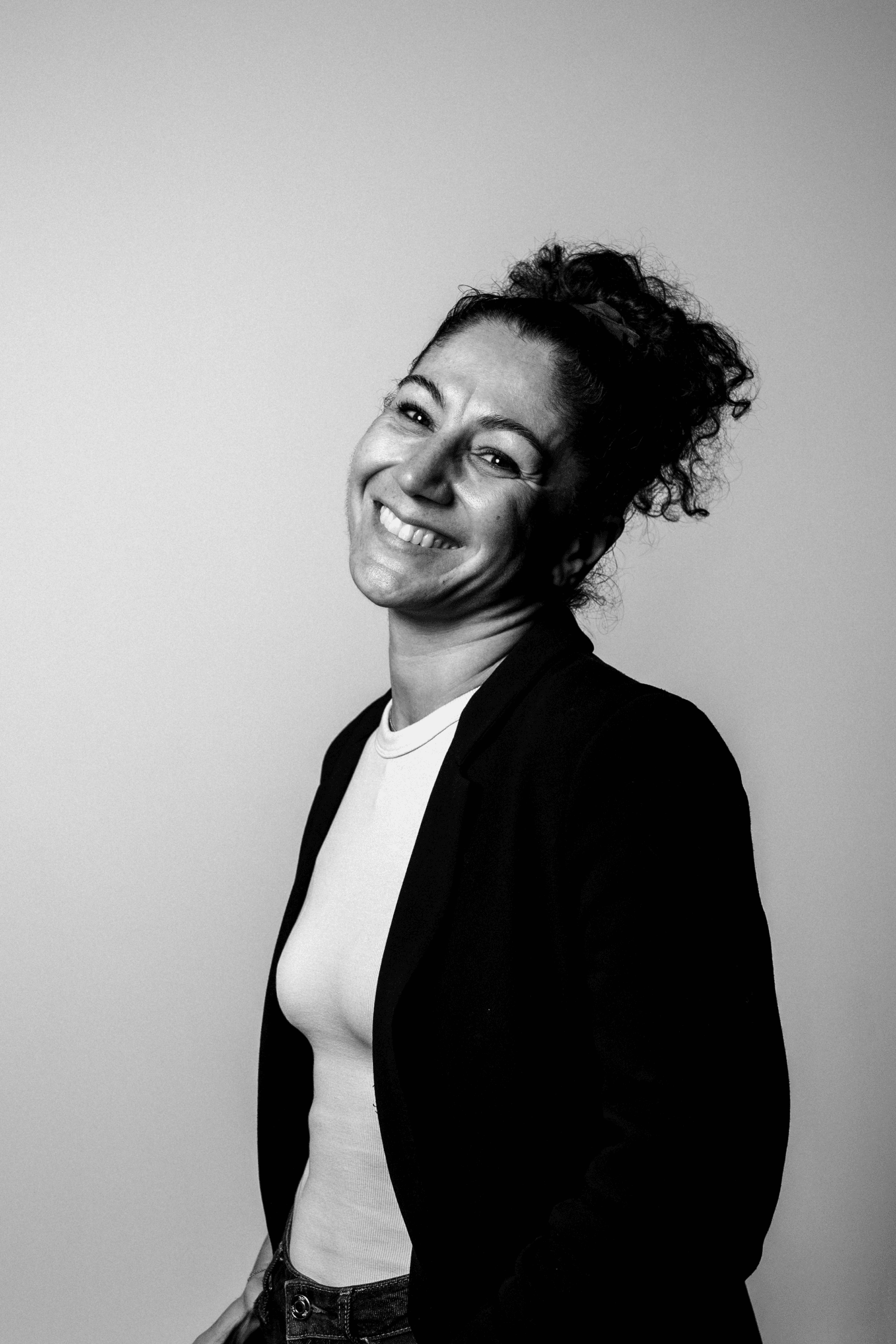
Your questions on cross-border estates
The questions that come up most often when an estate crosses borders.
01 Which law applies to a cross-border estate? +
Since EU Regulation 650/2012, which applies to estates opened on or after 17 August 2015, the applicable law is, by default, that of the deceased’s habitual residence at the time of death, for all their assets, wherever located. The deceased may, however, choose during their lifetime and by will to have the law of their nationality apply: this is the professio juris. For estates outside the European Union, the rules depend on the private international law of each country concerned, sometimes in the absence of a treaty. Determining the applicable law shapes everything that follows in the settlement.
02 How can you avoid double taxation on an inheritance? +
France has signed around thirty tax treaties covering inheritance, notably with the United States, the United Kingdom, Germany and Italy, the one with Switzerland having been terminated in 2015. In the absence of a treaty, Article 784 A of the French Tax Code provides for a unilateral tax credit: duties paid abroad are offset against the French duties, up to the French tax corresponding to the assets located outside France. This imperfect mechanism does not always neutralize the whole charge. Planning ahead, during your lifetime, remains the most effective tool.
03 What is the European Certificate of Succession? +
The European Certificate of Succession, created by EU Regulation 650/2012, is a single document that allows heirs, legatees, executors and administrators of the estate to prove their status in the other EU countries bound by the Regulation, which is all of them except Denmark and Ireland. It greatly simplifies administrative, banking and notarial steps where an estate spans several countries. In France, it is issued by the notary. Applying for it should be anticipated and sometimes requires additional documents depending on the countries.
04 How do you work alongside the notary in a cross-border estate? +
In close coordination, never as a replacement. The notary remains the family’s main point of contact for the civil settlement of the estate. We handle the tax and international dimension they do not usually cover: applicable bilateral treaties, double taxation, characterization of foreign assets (trusts, holding structures, cross-border real estate), coordination with the foreign advisors on the matter. Many of our cases reach us on the recommendation of a notary who wants to keep control of the matter while relying on specialized expertise for the cross-border angles.
05 What should you do for a cross-border estate outside the European Union? +
Outside the EU, Regulation 650/2012 does not apply: each country follows its own private international law. France, for its part, looks to the location of the assets for real estate, and to the residence of the deceased or the heir for the rest. Depending on the country, a tax treaty may exist, sometimes tucked into the income tax treaty, sometimes absent. When none covers the estate, the risk of double taxation is at its highest, and only the tax credit under Article 784 A softens it, without always covering all the duties paid abroad. These situations call for even earlier planning, often from the moment the wealth is built.
06 How far in advance should you plan a cross-border transmission? +
Ideally several years before death, because wealth-planning tools (gifts, split of ownership, choice of tax domicile, life insurance) become less effective as age and the proximity of the event increase. A gift made fifteen years before death does not have the same effects as one made two years before. For significant estates and multigenerational families, the planning is built over ten to twenty years, in successive stages. For situations already well advanced, room for action still exists, provided the diagnosis is started quickly.
Let’s take up your situation, across the generations
Choose the format that suits you.
Any information you share is covered by professional secrecy. A first confidential consultation qualifies your situation and defines the scope of our work, in person in Lyon, Paris, Annecy or Geneva, or by video in French or in English.